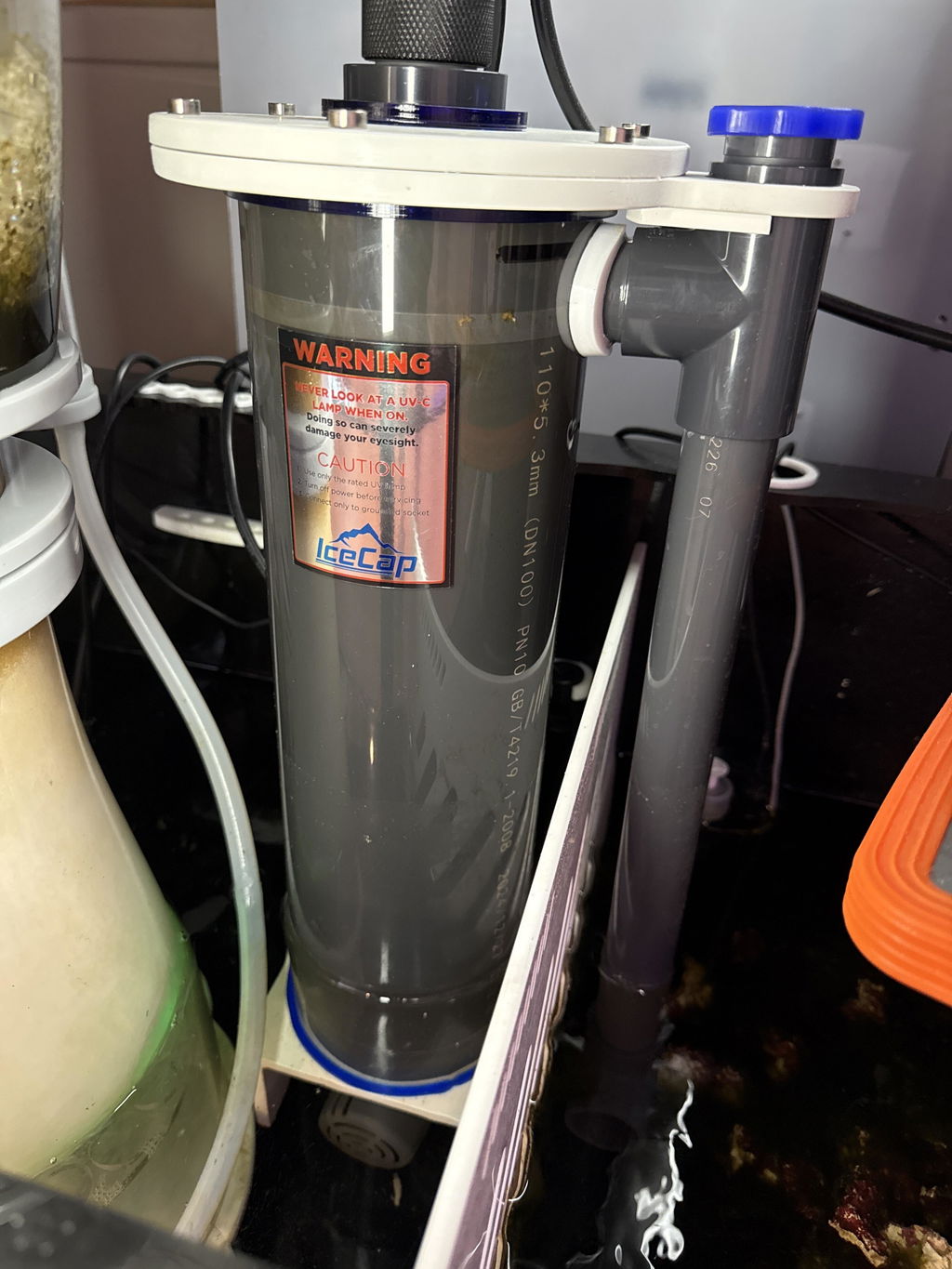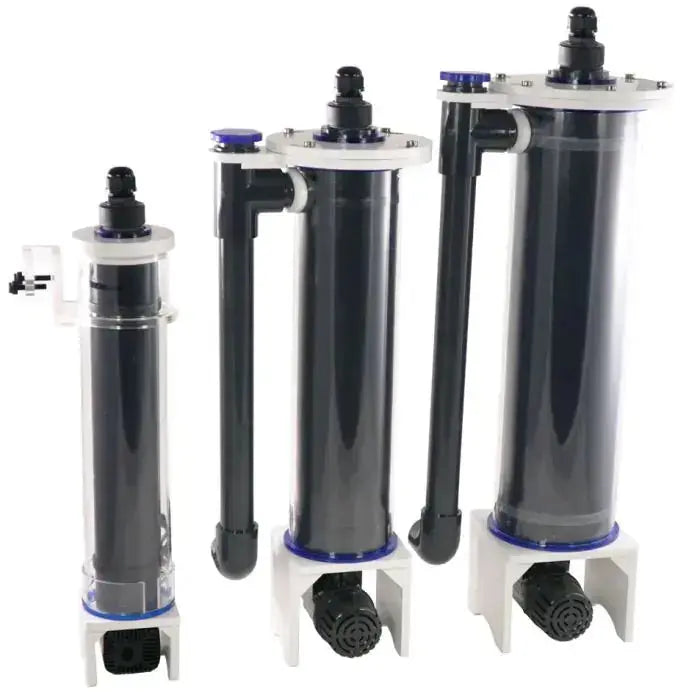
Green water, cloudy water, and concern about waterborne pathogens are common reasons to consider an aquarium UV sterilizer. A correctly sized and maintained unit exposes circulating water to UV-C light, helping reduce free-floating algae and microorganisms without adding chemicals. Here is how UV works in marine and freshwater tanks, and what matters most when choosing and operating one.
How UV sterilization works
Water passes through an enclosed chamber where UV-C light, commonly around 254 nm, damages microorganisms as they pass through. Effectiveness depends on the UV dose delivered: lamp output, water clarity, chamber design, and contact time all matter. UV acts on organisms in the water that actually pass through the unit; it does not remove dissolved waste or replace routine filtration and husbandry.
Benefits in marine aquariums
Managing waterborne organisms
In saltwater systems, UV can reduce some free-swimming stages of parasites and other microorganisms that pass through the chamber. It cannot eliminate an established infection, protect against organisms that never pass through the unit, or replace quarantine and appropriate treatment. Follow the unit maker's guidance for the organism you want to target, since flow requirements may differ from those used simply to clear green water.
Clearer water for reef viewing
Reducing suspended algae can improve clarity in a reef display. UV does not remove settled debris or correct the nutrients and lighting conditions behind algae growth. Pair it with sound mechanical and biological filtration and routine maintenance. Browse our UV sterilizers collection for options that fit your system.
Benefits in freshwater aquariums
Green water and bacterial blooms
UV is especially useful against free-floating algae responsible for green water and may help reduce some suspended bacteria involved in cloudy water. It will not remove algae attached to glass, plants, or hardscape. Address excess nutrients, feeding, and lighting alongside UV use so the underlying cause does not persist.
Supporting routine fish care
Reducing waterborne microorganisms can be one part of a freshwater fish-care plan, but results vary with the organism and UV dose. UV does not treat an infected fish directly. Good water quality, observation, quarantine, and veterinary guidance when needed remain important.
Flow rate, placement, and contact time
Water moving too quickly through the chamber receives less exposure. Use the manufacturer's recommended flow range for your model and intended application rather than assuming one setting works for every organism. Install the unit after mechanical filtration where possible: debris and cloudy water can shield organisms from UV. Check the actual flow through the UV chamber after plumbing changes; the pump's advertised flow may not reflect real operating flow. Avoid restricting a pump below its safe operating range.
Maintenance and safety
- Clean the quartz sleeve as directed by the manufacturer; film or mineral deposits reduce light reaching the water.
- Replace the UV lamp on the manufacturer's schedule, even if it still lights, because useful UV output declines with use.
- Inspect seals and O-rings when servicing the unit, and check for leaks after reassembly.
- Disconnect power before servicing. Never look directly at an exposed UV-C lamp; keep the chamber closed during operation.
How UV fits with other filtration
UV is a supplement, not a replacement for mechanical filtration, biological filtration, or, in marine systems, a protein skimmer. Most beneficial nitrifying bacteria live on tank and filter surfaces, outside the UV chamber. Free-floating beneficial organisms that pass through the unit may be exposed, so consider timing if adding live cultures or treatments and follow their instructions. For a sump-based setup, see the IceCap 40W In-Sump UV Sterilizer and check its installation and flow guidance against your system.
Common questions
Will UV prevent every fish disease?
No. It can reduce susceptible organisms passing through the chamber, but it does not treat infected animals or replace quarantine and diagnosis.
Does UV harm biological filtration?
Established nitrifying bacteria largely live on filter media and other surfaces, not in the UV chamber. UV does not replace or normally disrupt that surface-based filtration.
Is UV safe around plants, corals, and invertebrates?
In a properly installed enclosed unit, tank inhabitants are not exposed directly to the lamp. Follow the maker's electrical and servicing precautions, especially around water.
Need help choosing the right size and flow rate? Start with the UV sterilizers collection, then compare each unit's specifications with your aquarium and intended use.
Looking for something locally? Visit Marine Concepts Inc., 165 Wheeling Rd., Wheeling, IL 60090.